 Drying Technology

Keywords: sludgedryerfactory、sludgedryingequipment
Sludge mainly comes from urban sewage treatment plants and industrial sewage treatment plants. It is the waste produced by sewage treatment plants. In order to facilitate transportation and subsequent disposal, the sewage treatment plants will not leave the factory until the sludge is mechanically filtered. Generally, the moisture content is 80% or less. 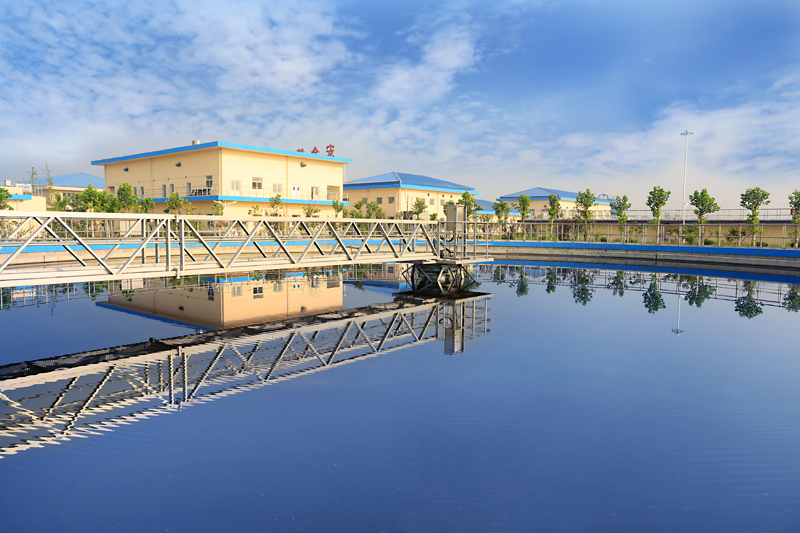
Sludge is a heterogeneous body composed of organic fragments, bacteria, inorganic particles and colloids, which is difficult to conduct thorough solid-liquid separation through sedimentation. The sludge produced by sewage treatment is a typical organic sludge, characterized by high organic content (60%~80%), fine particles (0.02~0.2 mm), low density (1002~1006 kg/m3), colloidal structure, pipeline transportation, poor hydrophilicity and dewatering performance. With the decrease of water content in the sludge, the sludge changes from pure liquid to viscous, plastic, semi dry solid to pure solid. The water content can be reduced to 85% by concentration; When the water content is 70%~75%, the sludge is soft and not easy to flow; When the water content drops to 60% ~ 65%, it is almost solid; When the water content drops to 35%~40%, it will be in a state of aggregation and dispersion; When it is further reduced to 10%~15%, it will become powder.
Sludge drying processes are mainly divided into mechanical press drying and heating drying drying. The mechanical press drying processes include ordinary mechanical press drying and mechanical filter pressing drying; Heating, drying and drying processes include flue gas drying process, steam drying process, heat transfer oil drying process, etc.
The odor generated in the sludge drying process is mainly guaranteed to not spread outward by controlling that the sludge area is always under negative pressure.
For the sludge steam drying process, the odor generated in the process mainly consists of two parts: process odor and plant odor. Process odor refers to the odor generated by sludge heating during the operation of steam drying unit, which is corrosive to some extent; The odor of the plant includes the odor emitted from the sludge stacking area, sludge conveying area, etc., which is non corrosive. Taking Plant A as an example, there are five steam dryers, each of which produces about 2000 m3/h of process odor, passing through three 13 000 m3/h centrifugal fans (one for use and two for standby)
After being discharged and combined with the odor of the plant, it will enter the boiler for combustion as the primary air and air of the boiler through two centrifugal fans (one for use and one for standby) with an air volume of 58 000 m3/h.

