 Drying Technology


Many wastewater treatment plants are coping with a waste stream of digested sludge. The sludge is normally dewatered by means of a centrifuge or belt filter press. After dewatering the sludge has a typical dry solids content of approx. 20 - 25%.
There are many difficulties in the treatment of sludge, such as high water content, many microorganisms, existence of parasite eggs, etc. If not carefully treated, it may induce secondary pollution. Nowadays, the country is paying more and more attention

Sludge moisture content and low calorific value of dry solids are the decisive factors. At present, the domestic dewatered sludge can generally meet the self-sustaining combustion option after drying.
In today's increasingly scarce global water resources, the use of sewage treatment to achieve recycling is an important way to solve this problem.

Depending on the flow form of the drying medium, the number of layers of the conveyor belt, and the temperature of the heating medium, the belt dryer can be divided into different types. According to the flow form of the drying medium, it can be divided i

At present, environmental protection and pollution control have become important tasks for the sustainable and healthy development of society. Among the various contents of environmental protection, the sludge disposal of sewage treatment plants is a very
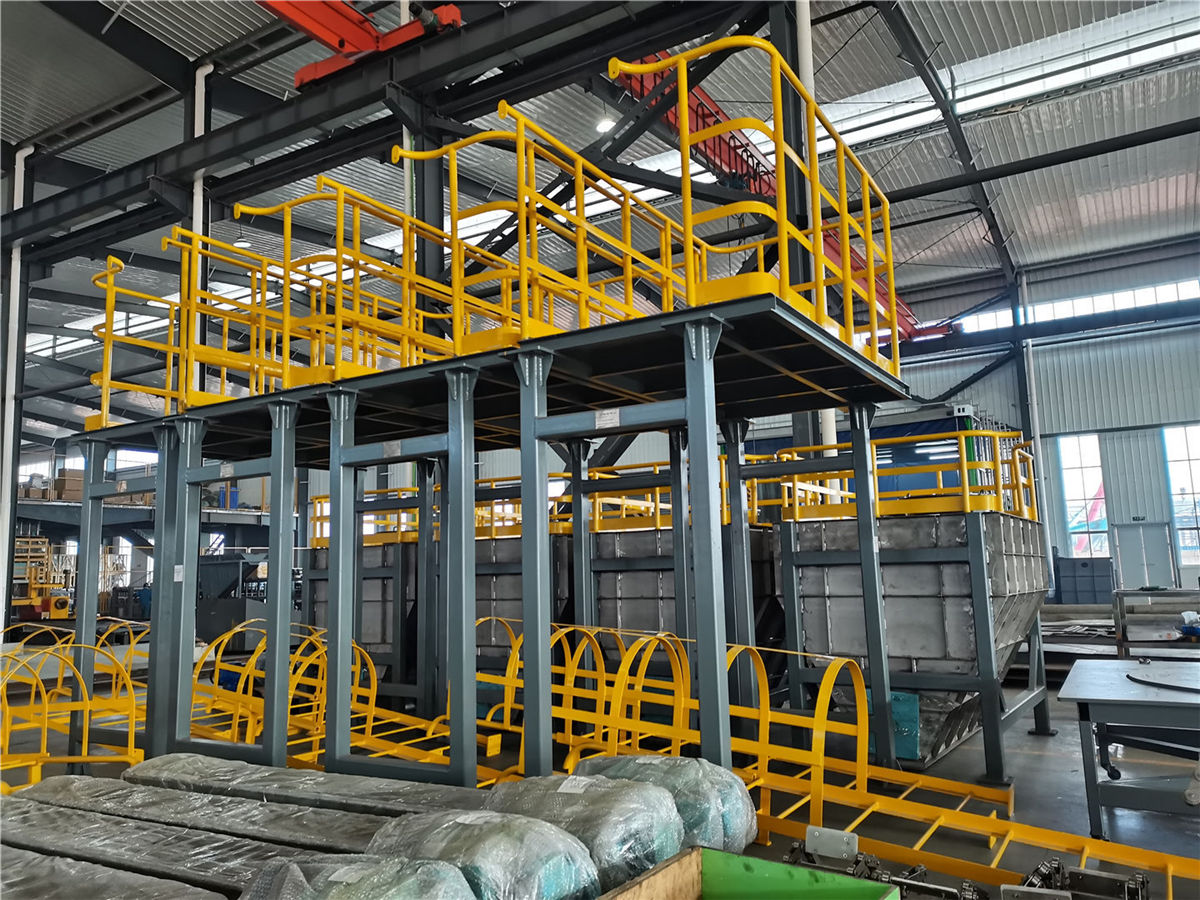
Depending on the flow form of the drying medium, the number of layers of the conveyor belt, and the temperature of the heating medium, the belt dryer can be divided into different types. According to the flow form of the drying medium, it can be divided i

Sludge drying is the process of removing most of the water in the sludge through evaporation and other actions. The types of drying mainly include solar drying, thermal drying, ultrasonic drying, microwave heating drying and biological drying, among which

